The Frost-Eve Checklist: Ten Small Jobs That Keep a UK Boat Out of Spring Trouble
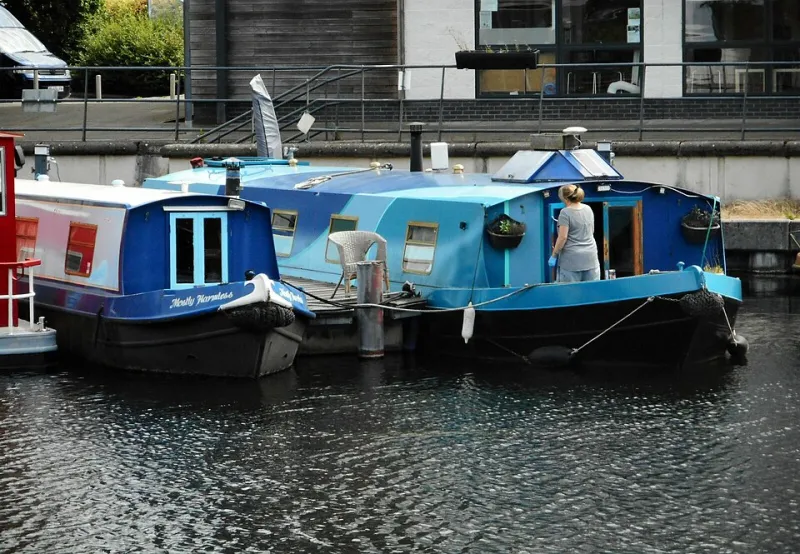
Photo: Richard Sutcliffe , CC BY-SA 2.0, via Wikimedia Commons
There is a particular kind of UK boat owner who never quite commits to a full winter lay-up. The boat stays afloat or on the mooring, the covers stay on, and the plan is to use it whenever a calm, dry Saturday appears between now and March. It is a sensible way to own a boat. It is also the fastest route to a rotten cushion, a dead battery and a cracked freshwater pipe if nobody spends one November weekend on the boring stuff.
The aim here is not a museum-grade lay-up. It is cost avoidance. A few hours before the first hard frost can save the sort of spring bill that arrives as a marina invoice, a failed sea trial or a frantic call to a mobile engineer. Work through this list in the order below, and you will cover the usual suspects without turning the boat into a sealed, damp box.
Start with the air, not the engine
Condensation is the quiet thief of UK boat interiors. It forms when warm, moist air meets a cold hull, and it does not need a leak to cause damage. The answer is not to seal every hatch and hope for the best. It is to keep air moving and remove the obvious sources of moisture.
Lift cushions off bunks, open locker lids, hang wet oilskins ashore and check that ventilators are actually clear. If the boat has shore power, a small dehumidifier with a drain hose can work well, but only if the boat is reasonably closed up. On a swinging mooring, breathable covers, cockpit lockers left cracked open and a couple of moisture absorbers are more realistic. Replace them when they stop absorbing, not in April.
Look for the small leaks now. A dribble past a hatch seal or a chainplate does more damage over winter than in summer, because it never dries out. A tube of sealant and an hour of patience are cheaper than new upholstery.
Treat the fuel as a winter consumable
Diesel does not like sitting still, and neither do the bugs that live in it. Water in the tank, a part-full tank and cold weather are a poor combination. For a boat that will be used occasionally, keeping the tank reasonably full reduces the air space where condensation forms. Add a reputable diesel biocide according to the instructions, and drain any water from the primary filter before it reaches the engine.
If the engine will sit for weeks between runs, make sure it gets a proper run under load when you do use it. Ten minutes at the pontoon is not the same as half an hour of gentle cruising. Check the fuel filter bowl for cloudiness or dark specks, and note the date when filters were last changed. A blocked filter on a cold spring morning is a classic avoidable breakdown.
Petrol outboards have their own routine. Fresh fuel matters, especially with ethanol blends, and a carburettor left full of old petrol can gum up over winter. Run the engine dry if that is what the manufacturer recommends, and store fuel properly. Small engines are excellent at turning a five-pound fuel problem into a hundred-pound service job.
Freshwater, heads and the pipes you forgot
If you will not use the freshwater system over winter, drain it properly. That means the tank, the pipes, the pump and the water heater, following the maker's guidance. If you plan to keep using the boat, lag exposed pipework and keep the cabin above freezing when you can. A split pipe is not just a plumbing job; it can soak a locker, stain a bulkhead and ruin the first trip of the season.
For the heads, pump through with fresh water and then add the appropriate antifreeze for marine systems. Do not use car antifreeze in the freshwater system. The wrong fluid can leave you with a system that is safe from frost but unsuitable for drinking water. Check the shower sump and any holding tank pipework too. These are the places where a little trapped water does the most expensive damage.
Batteries need a plan, not optimism
Cold weather reduces battery capacity, and a battery left flat in November is often a battery that stays flat. Charge everything fully, check terminals for corrosion, and isolate what can be isolated. If the boat has shore power, a smart charger is worth the money. If not, take the batteries home or use a solar maintainer that is genuinely up to the job.
Do not rely on a quick burst from the engine alternator to keep a bank healthy over winter. It will not. Label the batteries, note their age and test them before they fail at the worst moment. A simple voltage check now is cheaper than a callout in March.
Canvas, covers and cockpit drains
Covers are supposed to protect the boat, not become part of the problem. Check that water can run off rather than pooling on top. Clear cockpit drains and scuppers of leaves and grit. A blocked drain can send rainwater into a locker or, worse, into the cabin.
Inspect canvas for green mould, worn stitching and failed zips. Clean and dry it before refitting, and use the right proofing product if the fabric needs it. Make sure straps are not so tight that they distort the frame, and check that the cover still breathes. A sealed cover over a damp interior simply creates a greenhouse.
The November weekend plan
Give yourself one focused weekend rather than a series of vague promises. On Saturday morning, deal with ventilation, damp cushions and locker contents. Midday, sort the fuel and filters. Afternoon, drain or protect the freshwater system and check the heads. Sunday morning, charge and isolate batteries, then clear drains and tidy the canvas. Finish by writing a short list of anything that needs a proper fix before spring.
On a swinging mooring, add a check of the tender, the mooring lines and your own access arrangements. On a marina berth, confirm shore power is doing what you think it is doing. Either way, take photographs of anything that looks marginal. They are useful in spring and invaluable if you ever need to explain a problem to an insurer or a yard.
None of this is glamorous. But a boat that is dry, ventilated, fuelled sensibly and protected from frost is a boat that does not greet you with a nasty surprise when the days start getting longer. That is the real point of the November check: not to put the boat away, but to keep it ready.