The Trailer Has a Postcode: Budgeting for UK Boat Storage Before You Buy
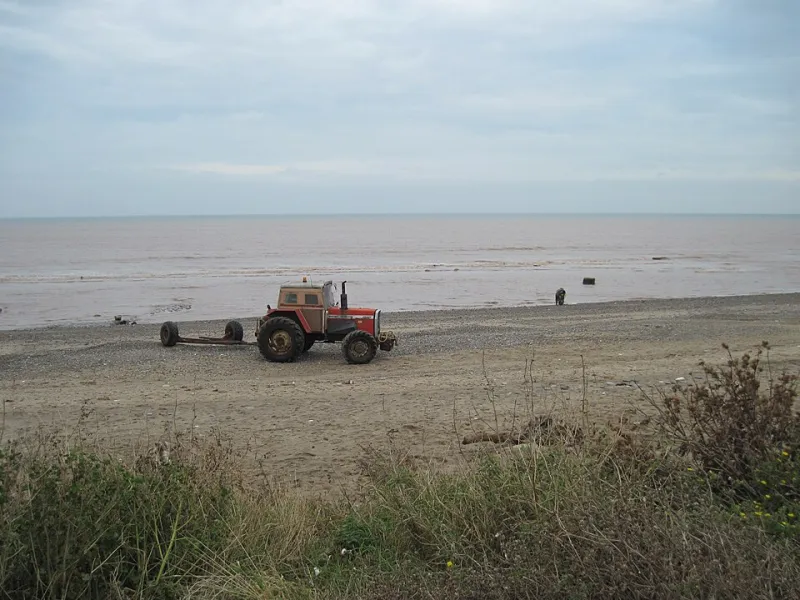
Photo: Martin Dawes , CC BY-SA 2.0, via Wikimedia Commons
Most boat-buying conversations start with the hull. The trailer gets a nod, the tow car gets a weighbridge check, and everyone moves on to engines and electronics. But if you are buying a trailed boat in the UK, the question that deserves equal billing is simpler: where is this thing going to live when it is not in the water?
A boat with a trailer is not automatically a boat with a home. In 2026, storage is part of the purchase price, not an afterthought. The driveway looks free until you read the deeds. The farmyard looks cheap until you have dragged a trailer through mud in February. The secure compound looks sensible until you realise the gate shuts at 5pm on the one decent Saturday in months. And marina hardstanding looks expensive because it usually is.
The right storage choice affects insurance, security, access and how often you actually launch. It should also affect the boat you buy. Here is how the options stack up.
The driveway is not free, even when the rent is
On paper, the driveway wins. Zero rent, CCTV in the form of a nosy neighbour, and the boat is right there when the forecast improves. That is genuinely worth something. The catch is that a driveway is a legal and practical space, not just a patch of tarmac.
Check restrictive covenants before you fall in love with the idea. Plenty of UK homes have deeds that ban caravans, boats and commercial vehicles from being parked in front of the house. Leasehold properties may have similar rules. Conservation areas and new-build estates can be fussy. A boat on a trailer may also count as an obstruction if it overhangs the pavement or blocks sightlines, and storing it on the road is a different argument altogether.
Insurance is the other quiet cost. Your home policy may exclude boats and trailers, or limit cover once the value crosses a threshold. A standalone boat policy may want the trailer locked, hitched to a post or kept behind a gate. That is all fine until you discover the only secure place is the driveway you already have.
Then there is wear. A boat under a cover in a UK driveway still sees UV, rain, leaf litter and frost. Tyres flat-spot, brakes seize, covers chafe and trailer electrics corrode. Budget for a cover, hitch lock, wheel clamp and an annual trailer service. The rent may be zero, but the extras are not.
Farmyard and rural compounds: cheap water, expensive mud
Farm storage is the classic UK compromise. You get space, a gate and usually a reasonable annual rate. Depending on the area and the facilities, expect something in the region of £250 to £700 a year for a basic farmyard spot, with secure compounds often landing between £600 and £1,200. In popular cruising areas, add a waiting list and a sharper price.
The practical questions matter more than the headline rent. Is the ground firm enough in winter? Can you turn a trailer without a five-point plan? Are there power points for charging batteries or running a light? Is the gate open when you need it, or only when the farmer is about? Is the compound actually secure, or just a field with a chain?
Distance is the sneaky cost. A cheap compound 50 minutes from home and 40 minutes from the slipway turns a quick evening launch into a half-day operation. That changes how often the boat gets used. Storage should be judged by door-to-water time, not just the annual invoice.
Marina hardstanding: the convenient compromise
Marina hardstanding is the easiest option to live with and the easiest to overspend on. In 2026, expect roughly £800 to £1,800 a year depending on location, boat size and whether you are on gravel, tarmac or in a shed. Some marinas include launch and recovery in the deal; others charge each time. Some allow DIY work; plenty do not.
The upside is obvious: security, a barrier, other boaters, a slipway nearby and a boat that is ready to go. The downside is that you are paying marina prices for a parking space, not a berth. Check the contract carefully. Can you work on the boat? Can you leave the trailer there? Is there a length or height limit? Is the hardstanding area full, with a waiting list longer than the one for the water?
If your boating is weekend-heavy and you value spontaneous launches, marina hardstanding can justify itself. If you are a fair-weather sailor who plans trips a fortnight ahead, the arithmetic is harder to defend.
The costs that never make the advert
Storage rent is only the visible line. The real annual cost includes the journeys to and from the boat, launch fees, trailer servicing, insurance adjustments, security kit, covers and the odd replacement tyre. Launch fees alone can be £10 to £30 a time at some slips, and they add up fast if you are out twice a month through the season.
A rough 2026 budget might look like this:
| Storage option | Typical annual rent | Extra annual costs | Realistic ballpark | Main catch |
|---|---|---|---|---|
| Driveway | £0 | £250 to £500 | £250 to £500 | Covenants, insurance, access |
| Farmyard | £250 to £700 | £300 to £600 | £550 to £1,300 | Mud, hours, distance |
| Secure compound | £600 to £1,200 | £350 to £700 | £950 to £1,900 | Gate hours, waiting lists |
| Marina hardstanding | £800 to £1,800 | £300 to £600 | £1,100 to £2,400 | Rules, demand, DIY limits |
These are broad guides, not quotes. The point is that the cheapest rent is not always the cheapest boating, and the most expensive rent is not always the best value.
Council, covenants and the neighbour test
Before you park a trailed boat anywhere permanent, do the boring checks. Read the deeds. Ask the council whether there are any local rules about boat storage on driveways or roads. Check your lease if you have one. Ask your insurer what security they require. Then apply the neighbour test: would you be happy if someone parked that boat outside your house for eight months of the year?
A boat on a driveway is visible. It affects access, light and the look of the street. Most of the time it is fine. Sometimes it is not. Finding out after you have bought the boat is the expensive way to learn.
Buy the boat your storage can handle
This is where storage should feed back into the buying decision. A driveway with a narrow entrance may rule out a wide-beam trailer. A farmyard with a soft track may make a heavy twin-axle setup miserable. A marina hardstanding may have height restrictions that affect a boat with a tall radar arch or a fixed mast. A compound with limited turning space may demand a smaller trailer than you planned.
Check the tow car, the trailer and the storage together. A boat that fits the water but not the parking space is a boat that stays parked. That is the quiet constraint that no listing photograph ever shows.
Storage is not glamorous, but it is part of ownership. Work out where the boat will sleep before you decide what the boat should be. The trailer has a postcode, and that postcode has a price.