Cropped, Cluttered, Candid: How to Read a UK Boat Listing Photo Set

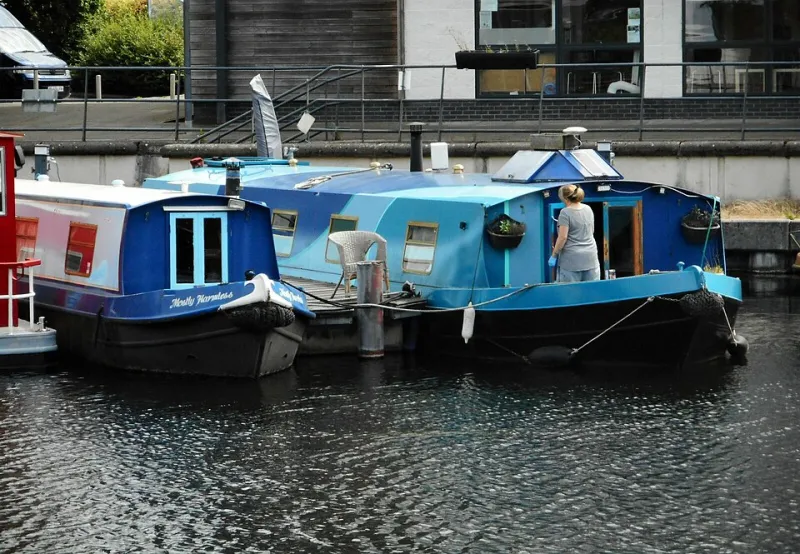
Photo: McGhiever, CC BY-SA 3.0, via Wikimedia Commons
The advert is not the boat. It is a sales document with a gallery attached, and the gallery is the part that gets looked at first. On a UK listing site you might be scrolling through a Moody, a Sealine or a Broads cruiser at 11pm, half a country away, trying to decide whether Saturday's drive is worth the fuel. The photos are the only evidence you have. Read them like a buyer who has been burned before, not like someone choosing a wallpaper.
Start with the edges, not the bow
Most buyers look at the bow first because that is where the eye lands. Look at the edges instead. What has been cropped out? If every shot is taken from the same front quarter, ask what the stern looks like. If the waterline is always just out of frame, ask for a photo of the hull at rest. If the cockpit is shown but the transom is not, there may be an outboard leg, a sterndrive bellows or a bathing platform that needs explaining. Cropping is not automatically suspicious. It becomes a question when the same crop repeats across the whole gallery.
Reflections are a second camera
Polished stainless, gelcoat and cabin windows all reflect the world around them. Zoom in. You can often see the yard, the hardstanding, the shed roof or the neighbouring boat. A reflection can tell you whether the boat is inside or outside, whether it is on blocks or a trailer, and whether the photo was taken in July or in a frost. Reflections also catch people, signage and other boats that the seller may not have noticed. None of this is a defect. It is context.
The waterline and the shadow line
Under a hull, a shadow can hide a multitude of sins. It can soften a hollow, obscure a repair, or disguise the shape of a keel. If the boat is ashore, look at how it sits on its cradle or trailer. Look at the rollers, the pads and the hull contact points. If it is afloat, the waterline tells you about loading, antifoul and staining. Ask for a photo of the hull out of the water if the advert is vague about the last lift-out. A shadow is not evidence of a problem, but it is a reason to ask.
Seasonal tells and the age of a photo
Listing photos are often older than the listing. Metadata is stripped by most portals, so you have to read the picture. Christmas lights in the marina, autumn leaves on the pontoon, a boat show banner, a neighbouring boat with last season's registration number: these are all clues. If the advert says the engine was serviced this year but the photos show a frosty yard and no sign of recent work, ask when the images were taken. A seller who says last month is giving you a different answer from one who says a few seasons ago.
Background clutter is an accidental inventory
The background is where adverts leak information. A tidy yard with fresh gravel is not proof of a well-kept boat, but a yard full of tarpaulins and half-finished projects tells you something about the environment. Look for oil stains, bins, scaffolding, trailer boards and other boats with for-sale signs. If the boat is surrounded by long-term projects, ask how long it has been sitting. If the background shows a broker's yard, ask whether the boat is on brokerage or sale and return. Clutter is not a crime, but it is a question worth asking before you set off.
The details left in frame
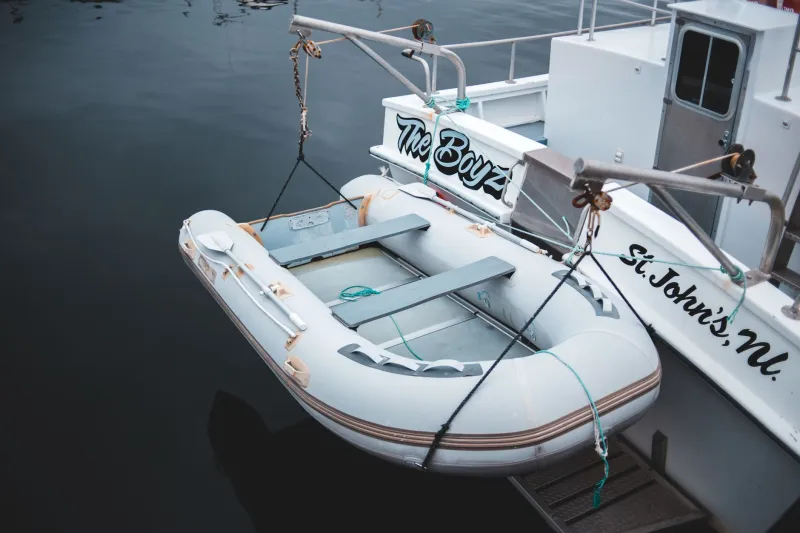
Fenders, warps and mooring lines are small things that cost real money. Look at the condition of the fender socks, the colour of the ropes and whether the lines are coiled or dumped. Look at the outboard cowling, the propeller and the trailer tyres. Registration numbers and marina stickers can be checked. A tender in the background may be included or excluded; ask. Electronics are harder to read from a photo, but a chartplotter screen, a radar dome or a solar panel is worth a close-up. If the advert has no engine bay photo, ask for one. If it has no cabin photo, ask why.
Low resolution, high gloss
Filters, HDR and low-resolution uploads all flatter a boat. They smooth gelcoat, hide scratches and make tired teak look warmer. A drone shot can show the layout beautifully and tell you almost nothing about condition. Ask for original files, not screenshots. Ask for a short video walkaround with the engine running and the camera pointed at the sterngear, the cabin sole, the headlining and the windows. A live video call from the pontoon is better than twenty glossy stills.
When to ask for fresh photos
Ask for fresh photos if the gallery is more than a season old, if the boat has moved, if the advert mentions recent work, or if the images are all exterior shots. Be specific. Ask for the engine bay, the keel, the sterndrive bellows, the anchor locker, the cabin roof and the trailer hitch. A reasonable seller will send them. A seller who refuses is not necessarily hiding something, but you have learned something about the sale. Do not drive six hours on the strength of a gallery that could have been taken before the last owner.
A short pre-drive checklist
Before you fuel up, ask: when were the photos taken? Is the boat ashore or afloat? Can you send a photo of the hull out of the water? Can you do a live video call? Has it been antifouled this season? Are the trailer tyres dated? Is the tender included? Has the engine been run recently? The answers will not replace a survey, but they will sort the listings that deserve a drive from the ones that deserve a polite email.
A glossy advert can still hide a long drive's worth of doubt. The point is not to catch the seller out. It is to arrive with better questions, a shorter list and a clearer idea of what you are actually going to look at.