Handover Is Not the Finish Line: A Calm 48-Hour Plan for a New UK Boat
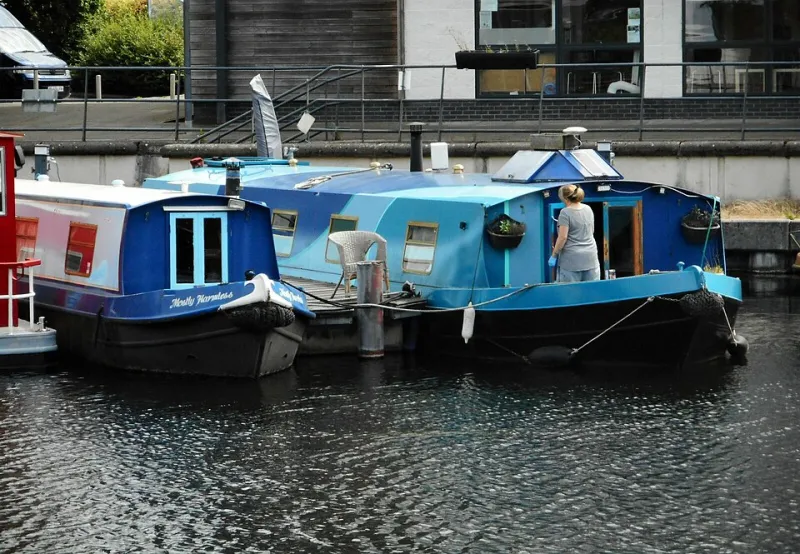
Photo: Richard Sutcliffe , CC BY-SA 2.0, via Wikimedia Commons
There is a particular kind of optimism that comes with collecting a boat. You have the keys, the paperwork is mostly done, and the tide looks friendly. The temptation is to cast off immediately and call it a shakedown cruise. Resist that. The first 48 hours are not really about testing the boat. They are about documenting it, understanding it and making sure the boring bits are in place before you ask anything of the engine, the rig or your own memory.
Think of the boat as a system you have just inherited. Somewhere in that system are good decisions by previous owners, a few questionable ones, and at least one thing nobody has explained properly. Your job is to find the shape of it calmly, not to discover it at speed near a harbour wall.
Collection morning: confirm the boring things first
Before the keys change hands, make sure insurance is live from the moment ownership transfers. Not from the next working day, not from when the direct debit clears. Check the berth or mooring is confirmed in writing, and that the marina or harbour office knows the boat is changing hands. If the boat is on a swinging mooring, ask what the handover arrangement is for the tender, the buoy and the access times. If it is on a trailer, confirm storage and towing cover separately.
At the handover, do not simply nod while someone points at things. Ask for a demonstration of every system you do not already know: shore power, battery isolators, charger, bilge pump, engine start, fuel taps, seacocks, gas locker, water system and any electronics. Film short videos on your phone. You will not remember half of it by teatime, and the previous owner will be less available by the weekend.
Take photographs of engine hours, fuel gauges, battery voltages, hull identification numbers, instrument serial numbers and the general condition of lockers before you start moving anything. A simple handover inventory is worth more than a glossy brochure. Count lifejackets, fire extinguishers, mooring lines, fenders, anchors and warps. Note expiry dates on flares and extinguishers. Write down the known faults the seller has disclosed, and get them in an email if they were only mentioned verbally.
First few hours: inventory, not adventure
Once the boat is yours, resist the urge to reorganise every locker. Open them, photograph them, and make a list. Check the bilge. Look at seacocks. See whether the gas locker drains overboard and whether the bottles are secured. Find the fuel filter and the water strainer. Locate the battery charger and confirm it is doing something sensible when on shore power. Check the shore power lead for cracks, and make sure the marina end is not held together with tape and hope.
This is also the moment to confirm the berth arrangements for the boat as she sits now. Is the mooring line length right? Are the fenders at the right height? Does the marina office have your current contact details? Ask about waste oil, rubbish, pump-out, parking and access codes. These are not glamorous details, but they are the ones that turn a boat from a floating project into something you can actually use.
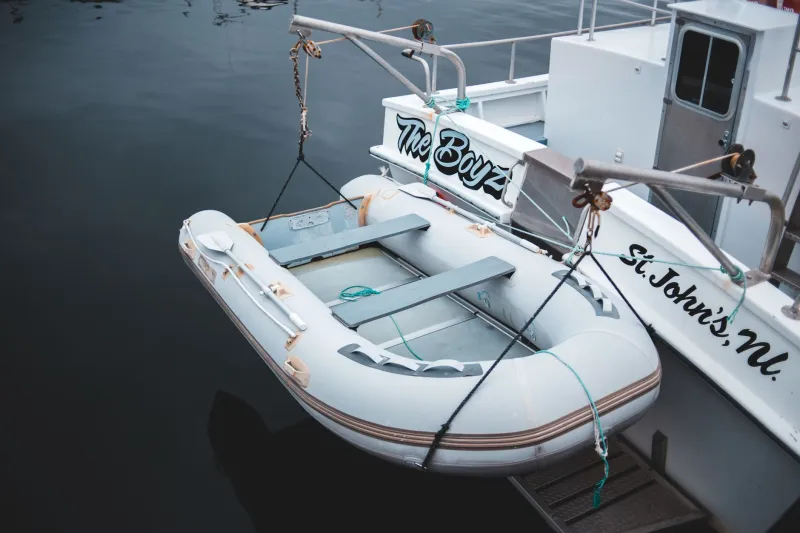
If the boat is registered on the Small Ships Register, check the details are current. If it is not registered, decide whether you need to be. If there is a trailer, confirm the trailer board, lights and tie-downs before you think about moving it. If there is a dinghy, check it is secured and that the outboard, if any, is not quietly rusting in a locker.
By late afternoon, stop. Make a cup of tea, read the engine manual, label the keys and start a boat file. Put the survey, receipts, manuals, inventory and any handover notes in one place. A cheap ring binder is fine. So is a folder on your phone, as long as you actually put things in it.
Day two: fuel, batteries and the small checks that matter
Day two should begin with the boat still tied up. Check battery voltage with a meter if you have one, and compare it with what the charger and instrument panel are telling you. Confirm the isolators actually isolate what they claim to isolate. Do not crank a stubborn engine over and over until the starter smells hot. If it does not start cleanly, find out why before you flatten the battery.
Fuel is the next thing to treat with suspicion. Diesel that has been sitting for months can carry water and bug. Petrol in an outboard can be stale. Check the filter, the fuel lines and the tank access if you can. Smell the fuel, look for contamination and confirm which tap or valve feeds what. If the boat has a petrol outboard, use fresh fuel and the correct oil mix if it is a two-stroke. If it is diesel, know where the bleed points are before you need them.
Then work through the small checks that prevent a first trip from becoming a repair bill. Look at coolant, engine oil, belts and hoses. Check the bilge pump works on both manual and automatic settings if fitted. Open and close the seacocks gently, but do not force a stiff one until you understand why it is stiff. Check the gas locker and the condition of the hoses. Make sure the fire extinguishers are in date and in the right places. Try on the lifejackets, check the crutch straps and note any that need replacing.
The first short run, if you must
If you do go out on day two, keep it short, local and boring. Confirm the weather and tide, check the insurance covers the boat and the skipper, and make sure the berth is ready for your return. Stay within easy reach of a harbour you know. Do not attempt a long passage, a night passage or a full systems test with guests aboard. Run the engine under light load, check for unusual noises, watch the temperature and oil pressure gauges, and return before anyone gets tired or cold.
The point of that first run is not to prove the boat is perfect. It is to confirm that the basics work and to reveal what needs attention next. If something feels wrong, stop and investigate. A tow back to the berth is cheaper than a broken engine and much cheaper than a bad decision at sea.
What to leave alone
Leave the cosmetic projects alone. Do not start varnishing, polishing or rewiring in the first 48 hours. Do not remove seacocks, adjust rigging, service the engine or start drilling holes until you have read the manual and, where necessary, spoken to someone qualified. Do not fill every locker with stuff you think you might need. Empty lockers are easier to inspect, and you will learn more about the boat by keeping them that way for a week.
Above all, do not treat the first 48 hours as a race. A newly bought boat rewards patience. The tide will still be there on Monday. By then you should have a file, a list, a few photographs and a much better idea of what you have taken on. That is a far better start than a rushed trip and a repair bill.