Six UK Harbours Where the Boat Is the Designated Driver
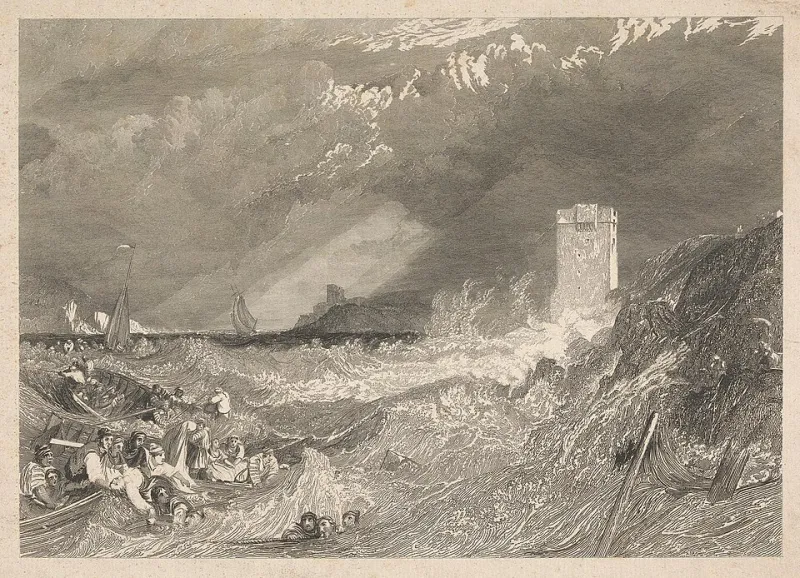
Photo: Charles Hamilton Smith, CC0, via Wikimedia Commons
There's a particular kind of Saturday that British boating does better than almost anywhere: a short passage in the morning, a pontoon or buoy by lunchtime, and a pub within a few minutes' walk of the water. No car at the other end. No lift home. No debate about who's driving.
The boat is the designated driver. Your only job is to plan the tide, moor sensibly, and exercise a bit of judgement about how the evening ends — because the water doesn't care how you feel at 07:00.
Here are six harbours where that plan works reliably.
Dartmouth, Devon
Dartmouth is almost too easy, which is why it fills up. The harbour authority runs visitor pontoons close to the town, and there are town quays and marina options within a couple of minutes of the shops. If you want to be quieter, push upriver to Dittisham and take the tender in.
Shoreside, you're spoiled: proper pubs, a serious seafood scene, and enough choice that you can eat well without booking three weeks ahead in the shoulder months. Arrive before dark, take the berth you're given, and walk.
Tide and planning: the town is largely all-tide for moderate draught, but the river above Dittisham is not, and the harbour gets busy on summer weekends. Book the visitor pontoon if the harbour is taking bookings, hail on VHF on approach, and keep an eye out for rowing and paddleboards around the town jetty. If you're staying overnight, ask where the dinghy can be left — it's usually obvious, occasionally not.
Fowey, Cornwall
Fowey rewards people who arrive on the flood and leave on the ebb with a little planning. Visitor buoys and pontoons are managed by the harbour commissioners, and the town itself is a five-minute walk from the water — pubs, bakeries, a bookshop, and the sort of narrow streets that make you glad you came by boat.
Cross to Polruan for a quieter pint and a view back at the town, which is one of the best free entertainments in the West Country.
Tide and planning: parts of the harbour dry, so a buoy is often the sensible choice over a quayside berth if you draw anything meaningful. The entrance is not somewhere to improvise in a swell, and the harbour is genuinely busy in August. Go in the shoulder season, take the buoy, and use the tender.
Yarmouth, Isle of Wight
Yarmouth does exactly what a boating harbour should: visitor berths, a pier, a chandlery, and food and drink within a stone's throw of the pontoon. It's the natural lunch stop on a Solent circuit and a comfortable overnight for anyone crossing from the mainland.
Tide and planning: access is good for most small craft across a wide range of tides, which is precisely why it's popular. The harbour takes visitor bookings in peak season and holds back some space for arrivals, but don't assume. Arrive early, listen to the harbour's VHF channel, and be prepared to raft up. Ferries come and go on a schedule — keep clear and keep lines tidy.
Whitby, North Yorkshire
Whitby is the one that feels like an event. You come in over the bar at the right state of tide, through the piers, and up into the upper harbour past the swing bridge. The marina sits in the thick of it, with the abbey on the skyline and the town wrapped around you.
Shoreside, there are excellent pubs within a short walk, plus the fish and chips that the town is famous for. The walk up to the abbey is worth the steps.
Tide and planning: this is a harbour to respect. The bar has a reputation for good reason, entry is best timed near high water for many boats, and the swing bridge opens on a schedule you need to know before you arrive rather than after. Ring ahead, confirm bridge times, and don't try to squeeze the passage into a falling spring tide just because the pub is calling.
Padstow, Cornwall
Padstow is a proper working harbour with a food scene attached, and the visitor moorings put you right in the middle of it. Come by sea and the crowds at the quay stop being a problem — you simply step off your own boat instead.
Tide and planning: the harbour dries, and access is very much a tide-and-draught conversation. Plan to arrive on the flood, accept that you may sit on the bottom (bring a bucket and a plan for the smell of harbour mud), and check with the harbour office on where you're allowed to lie. It's not a place for an improvised night on the outside of a crowd, and the Camel estuary entrance needs a bit of local knowledge the first time.
Oban, Argyll
The west of Scotland option, and the one that reminds you why you own a boat. Transit pontoons close to the town put you within a few minutes' walk of decent pubs, a co-op and a ferry terminal, while the marina on Kerrera across the bay is the quieter overnight.
Tide and planning: the town pontoons are largely all-tide for modest draught but are for short stays — read the signs and the notice boards properly, because wardsens and harbour dues are enforced. Weather here arrives from the west with very little warning, and the ferry wash in the bay is livelier than it looks. Have a plan B anchorage in mind, and expect the rain to arrive exactly as you step off.
The responsible bit — and it isn't a lecture
The whole appeal of these harbours is that you can have a proper lunch, a couple of pints and a long evening without touching a car. That only works if you treat the water with the same care you'd treat a car key.
A few habits that make it easy:
- Decide on the skipper's number before you leave the pontoon. In practice, that usually means the skipper has very little, or nothing, and someone else does the ordering. Tides don't make exceptions for a good mood.
- Finish the day's moving before the first drink. Moor, tidy the lines, stow the gear, then open the cool box. Drinking at anchor has a long and happy tradition; drinking while relocating the boat does not.
- Have a sober hand for the dinghy. Landing a tender in the dark with a couple of pints in you is how people end up swimming in a harbour.
- Wear the buoyancy aid anyway. It's a five-minute ride, not a fashion show.
- Look at the morning forecast before the second pint, not after. If the wind is going to get up overnight, you want a different berth or an extra line, and you want to know that while you can still do something about it.
- Pay the harbour dues. Every one of these harbours uses that money for the pontoons you're standing on.
Six harbours, six short passages, and one designated driver who never touches a drop. That's a summer worth planning.