Five Quiet UK Cruising Grounds for Your First Full Season (Without the Solent Scrum)
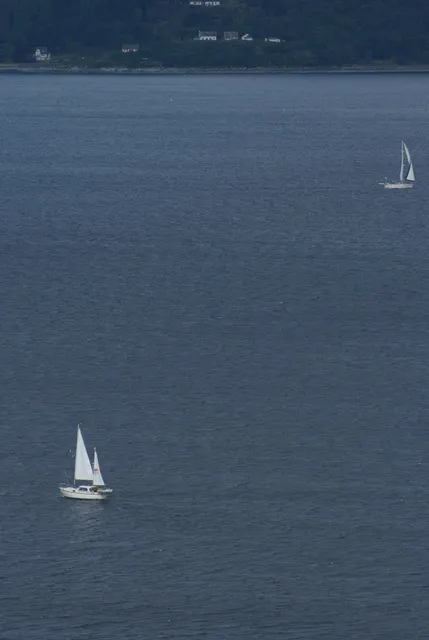
Photo: Thomas Nugent , CC BY-SA 2.0, via Wikimedia Commons
Your first full season in 2026 should be about building miles, not queuing for a pontoon in Cowes. The Solent is a wonderful classroom, but it is also a summer scrum: ferries, races, inexperienced charterers and visitor berths that vanish by Friday lunchtime. If you want to learn tide, pilotage and passage planning without feeling like you are in a traffic jam, look beyond the obvious. These five UK cruising grounds are underrated for a reason: they ask something of you, but they give back confidence.
1. The East Coast estuaries: Orwell, Stour and Blackwater
This is ditch-crawling in the best sense. The Orwell and Stour give you sheltered water, short hops and proper anchorages, while the Blackwater opens up quieter miles and places like Brightlingsea and Tollesbury. Marinas at Levington, Suffolk Yacht Harbour and Brightlingsea are useful bases, and Ipswich or Colchester sort out provisioning. The honest note: shallow water, shifting swatchways and tides that mean business. Do not cut corners because the chart looks empty. Take a pilot book, watch the buoys and treat the first few trips as lessons. In return, you get a first season where you actually learn to read water.
2. The Bristol Channel: Watchet, Cardiff and the Holms
The Bristol Channel is not a gentle introduction, and that is the point. The tidal range is enormous, the streams are strong and the locks at Cardiff, Portishead, Watchet and Bristol mean you plan around gates. But the rewards are quiet anchorages, big skies and a real sense of seamanship. Provision in Cardiff or Bristol, use the marinas as staging posts and take local advice on the Holms. Avoid wind against tide if you can, and do not treat a lock schedule as a suggestion. For a newly qualified crew, it is a masterclass in planning. For a complacent one, it is a warning. Go with respect and you will come back sharper.
3. North Wales and the Menai Strait
Anglesey and the Menai Strait are stunning, but they are not a place to wing it. The strait has fierce tides and the Swellies need local knowledge and correct timing. That said, the area around Pwllheli, Caernarfon, Conwy and Deganwy offers sheltered options, useful marinas and some of the best scenery in the UK. Provision at Pwllheli or Bangor, and if you want to transit the strait, go with someone who knows it or take a pilot. Outside the narrow bits, you can build miles in relative calm. The lesson here is humility: ask, read, time it right. That is exactly what a first season should teach.
4. The Moray Firth
The Moray Firth is the quiet option. Inverness, Chanonry Point, Lossiemouth and Findhorn give you a mix of marina access and wilder anchorages, with dolphins, seals and long summer daylight. Provision in Inverness, plan fuel carefully and respect the weather: this coast can be exposed, and facilities are thinner than in the Solent. The payoff is space. You can practise passage planning, pilotage and anchoring without an audience. It is also a brilliant place to learn that a weather window is worth more than a schedule.
5. The Firth of Clyde
The Clyde is often overlooked by south-coast sailors, which is their loss. Largs, Kip, Troon, Ardrossan, Rhu and Portavadie give you a chain of marinas and pontoons, while Bute, Arran and the Kyles offer short hops and sheltered water. Provision at Largs, Gourock or Rothesay. The honest notes: rain, midges and a season that can be fickle. But the sailing is superb, the distances are manageable and the local clubs are welcoming. For a first full season, it is hard to beat: you can build miles without committing to a long offshore passage.
How to choose your ground
Match the ground to your boat, your crew and your calendar. A fin-keeler with a deep draft will not enjoy every East Coast creek, and a small outboard cruiser will not want a long exposed passage in the Moray Firth. Build in weather days. Book visitor berths early in high summer. Join a local cruising club or ask the harbourmaster for advice. Carry paper charts and a pilot book, even if you have a plotter. And do not overreach on your first trip.
The best first season is not the one with the biggest mileage. It is the one where you come home with more confidence than you left with. These five grounds will give you that, without the Solent scrum.