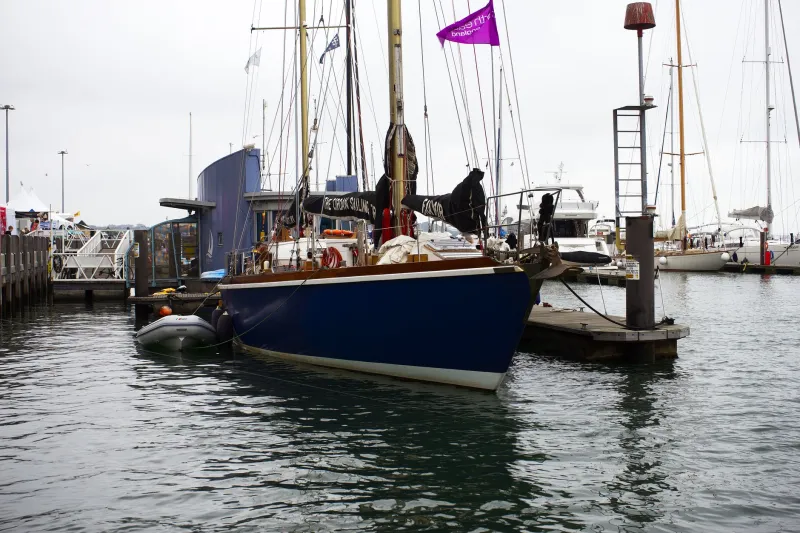
Forget July: Why November Is the Smartest Month for a UK Boating Break
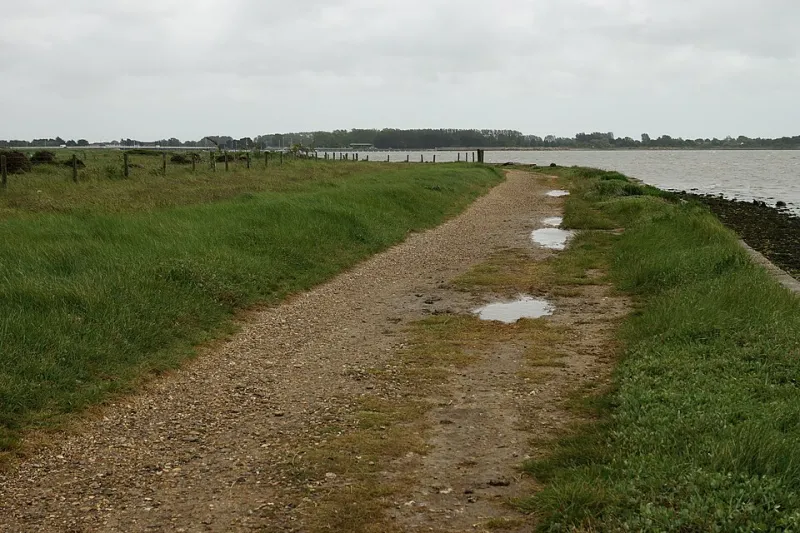
Photo: Peter Trimming , CC BY-SA 2.0, via Wikimedia Commons
Every year, the same thing happens. July arrives, the marina fills up, the anchorages get crowded and everyone remembers that British summer weather is a rumour rather than a guarantee. Meanwhile, November quietly offers something better: empty water, lower prices and a coast that feels like yours again.
This is not an argument for fair-weather sailors to force themselves out in a gale. It is an argument for treating late autumn as a proper boating season, especially in 2026 when off-season charter rates and marina deals are there for anyone who asks.
The case against peak summer
Summer boating in the UK has become a queue. Popular marinas want premium rates and minimum stays. Favourite anchorages fill by lunchtime. Charter fleets are booked solid, and everyone is competing for the same table in the same harbour pub. The weather may be warmer, but the experience is not always more relaxing.
November flips that. Berthing is cheaper, charter companies are keener to do a deal, and the Solent, Devon and Suffolk coastlines return to something closer to their natural state. You need better kit and more flexible plans, but you are rewarded with space, silence and light that makes even a muddy estuary look cinematic.
Where to go when the crowds leave
Chichester Harbour and the eastern Solent. Sheltered water, quiet anchorages and a short hop from several marinas make this a brilliant cold-weather base. The light in November is low and golden, and the harbour feels far removed from Cowes Week chaos. Watch the tides and the weather windows; the Solent can still bite.
The Essex and Suffolk creeks. The Walton Backwaters, Mersea and the rivers around Woodbridge are wonderful out of season. Mudflats, Brent geese and big skies do the heavy lifting. It is not glamorous, but it is atmospheric, and marina rates are a fraction of high summer.
Devon and Cornwall. Fowey, Salcombe and Plymouth all feel different when the summer fleet has gone. You may find reduced berthing rates and anchorages with room to swing. The trade-off is weather: pick your window, have a plan B and do not treat a November forecast as a promise.
Northumberland and the Farne Islands. If you want wildlife, late autumn is serious business. Grey seals pup between October and December, and boat trips run when conditions allow. It is exposed, so go with a reputable operator and expect cancellations to be part of the deal.
The Scottish west coast. A skippered or well-heated charter around Crinan, Kerrera or Mull can be magical in November. Short days mean shorter passages, but the anchorages are empty and the scenery is even more dramatic with a dusting of frost.
Cheaper berthing, better boats
Off-season pricing is the open secret of UK boating. Marinas that charge premium rates in August often offer winter deals, weekly discounts or flexible contracts from November. Charter companies would rather have a boat earning something than sitting idle, so ask directly about late-autumn availability and 2026 rates.
If you are hiring, be honest about experience. Bareboat charter usually requires recognised qualifications and a CV of previous trips; skippered charters remove that stress. Ask specifically about heating, cockpit enclosures, hot water and whether the boat has a working dehumidifier. A cheap November charter is not a bargain if everyone spends the weekend damp and miserable.
Wildlife without the scrum
November is underrated for wildlife watching. Grey seals are pupping around parts of the UK coast, harbour seals are still about, and estuaries fill with overwintering birds. Brent geese, wigeon and red-breasted mergansers can turn a quiet creek into a proper spectacle. Keep your distance, slow down and remember that disturbance is especially costly at this time of year.
Cold-weather kit and practicalities
Layer up properly. A warm base layer, fleece, decent waterproofs and gloves make more difference than a big coat. Take a thermos, spare dry gloves and a headtorch. Check the marine forecast repeatedly, not once, and plan around short daylight hours. Tides matter more when you have less margin for error.
On board, keep ventilation going to reduce condensation, run the engine regularly if it is a diesel, and check mooring lines after rough weather. If you are chartering, ask for a handover that covers heating and battery management, not just the chartplotter.
How to book a smarter 2026 break
Start with the south coast for convenience, East Anglia for atmosphere or Scotland for scenery. Phone the charter company or marina rather than relying on summer-season online prices. Ask about cancellation terms, weather windows and what happens if the forecast turns. The best off-season trips are the ones with realistic plans and a willingness to stay ashore if the wind says no.
November will not suit everyone. But if you want quieter water, cheaper berthing and a coastline that feels less like a theme park, it is the smartest month on the UK boating calendar.