Price the Water Before the Hull: The UK Berth Maths That Should Drive Your Boat Budget
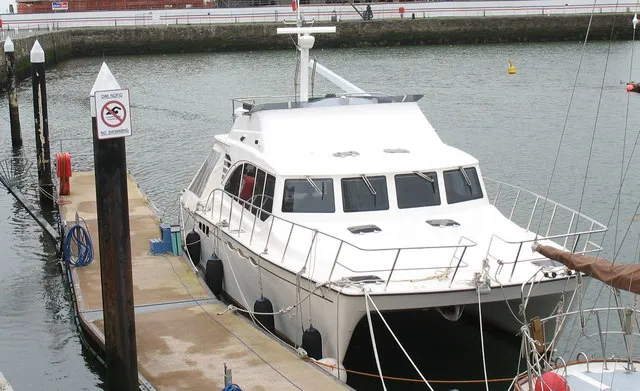
Photo: Eric Jones, CC BY-SA 2.0, via Wikimedia Commons
Start with a confession: plenty of boat buyers do this backwards. They fall for a hull, haggle over the engine hours, then ring a marina and discover the berth costs more per year than they budgeted for everything else. In the UK, the berth is not an afterthought. It is often the biggest recurring line in the ownership spreadsheet, and it should shape what you buy, where you buy and even whether you buy at all.
The number that never makes the broker's advert
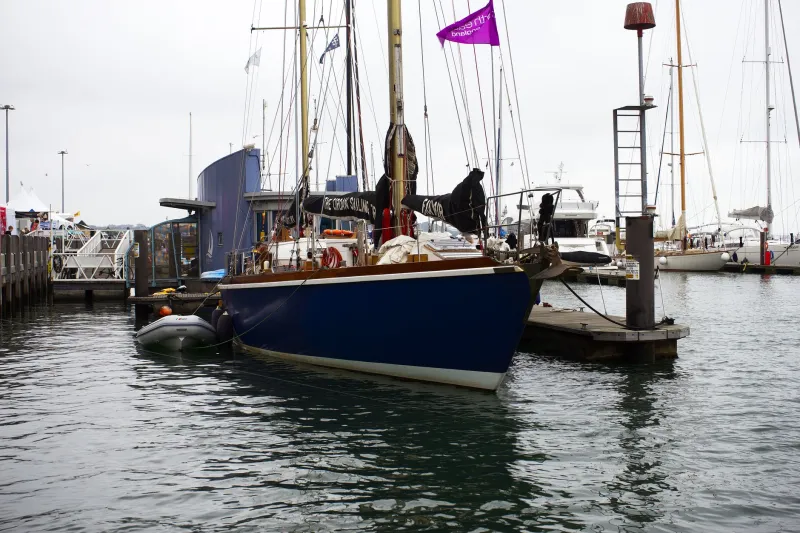
A marina berth for a 9m to 10m yacht in 2026 is rarely a rounding error. Depending on region, expect somewhere between £3,500 and £9,000 a year for a pontoon berth, with the Solent and popular Devon and Cornwall spots at the sharp end. A swinging mooring might be £600 to £2,500, but that is not the whole story: you may need a tender, a mooring inspection, dinghy storage and a longer walk with more kit. Harbour dues, navigation licences, insurance, lift-outs, scrubbing, winter storage, electricity and parking all pile on top.
Waiting lists matter too. Some marinas will take your deposit and tell you the list is three to five years. Others will offer a berth that is too small, too shallow or too exposed, then move you later. None of that appears in the boat listing.
Three costs that follow the berth, not the boat
The first is access. A cheap drying mooring or a harbour with a sill can be brilliant value, but only if you can live with the tide. If you can leave for a day sail only around high water, your bargain berth costs you weekends. That is a real cost, even if it never appears on an invoice.
The second is the waiting list. A boat without a berth is a boat on a trailer, a boat in a yard or a boat you use twice a year. If you buy first and find water later, you may pay for storage while you wait. That changes the maths.
The third is winter storage. Not every marina lets you keep a cradle ashore, and not every yard has space. Crane hire, pressure washing, antifoul and hardstanding can add £1,000 to £2,500 for a modest yacht. If the berth includes a winter deal, that is worth more than a shiny gadget.
The five-year reality check
Here is an illustrative example, not a quote. Boat A is a £30,000 10m cruiser kept in a Solent marina at £8,500 a year. Add insurance at £450, maintenance at £2,500 and lift, scrub and winter storage at £1,500. That is £12,950 a year before fuel. Over five years, including purchase, you are looking at roughly £94,750.
Boat B is a £60,000 yacht on a swinging mooring in the Firth of Clyde at £900 a year. Add a mooring inspection and tender costs at £400, insurance at £650, maintenance at £2,000 and winter ashore at £700. That is £4,650 a year. Over five years, including purchase, you are at roughly £83,250.
The cheaper boat has cost more. Not because it is worse, but because its water is dearer. Change the numbers to suit your own patch and the principle holds: price the berth first, then the boat.
Where your money goes further
The Solent remains the UK's busiest and most expensive cruising hub for good reason: access, choice, yards, clubs and destinations. You pay for convenience. The East Coast, from the Orwell and Stour up to the Blackwater and beyond, offers cheaper moorings and marinas, but you need to respect shallow water, shifting swatchways and strong tides. The Bristol Channel has a huge tidal range and lock access, which keeps costs lower in places but demands planning. North Wales and the Menai Strait can be superb value, with dramatic sailing and a serious tidal gate. Scotland, particularly the Clyde and the west coast, often wins on annual berth costs, though the season and the weather are part of the deal.
Questions to ask before you make an offer
Ask whether the berth is transferable, and get it in writing. Ask what the annual fee actually includes: water, electricity, parking, scrubbing, visitor nights, tender storage. Ask about tidal access and sill heights, not just the berth price. Ask how long the waiting list really is, and whether your deposit is refundable. Ask what the marina requires from your insurance. Ask where you will haul out, who does the work and what it costs. Ask whether you can sublet or liveaboard, if that matters. Then ask yourself what five years of ownership will cost in total, including purchase, berth, maintenance, insurance and the depreciation you cannot avoid.
At Boat Agent, the blunt version is this: find the water first. A boat that fits your berth, your tide and your realistic weekends will be used more and cost less than a bargain hull in the wrong postcode. The mooring comes first. The boat comes second. That order saves money, and it saves disappointment.