The Pontoon Meter: Reading the Real Cost of Shore Power Before You Sign a UK Berth
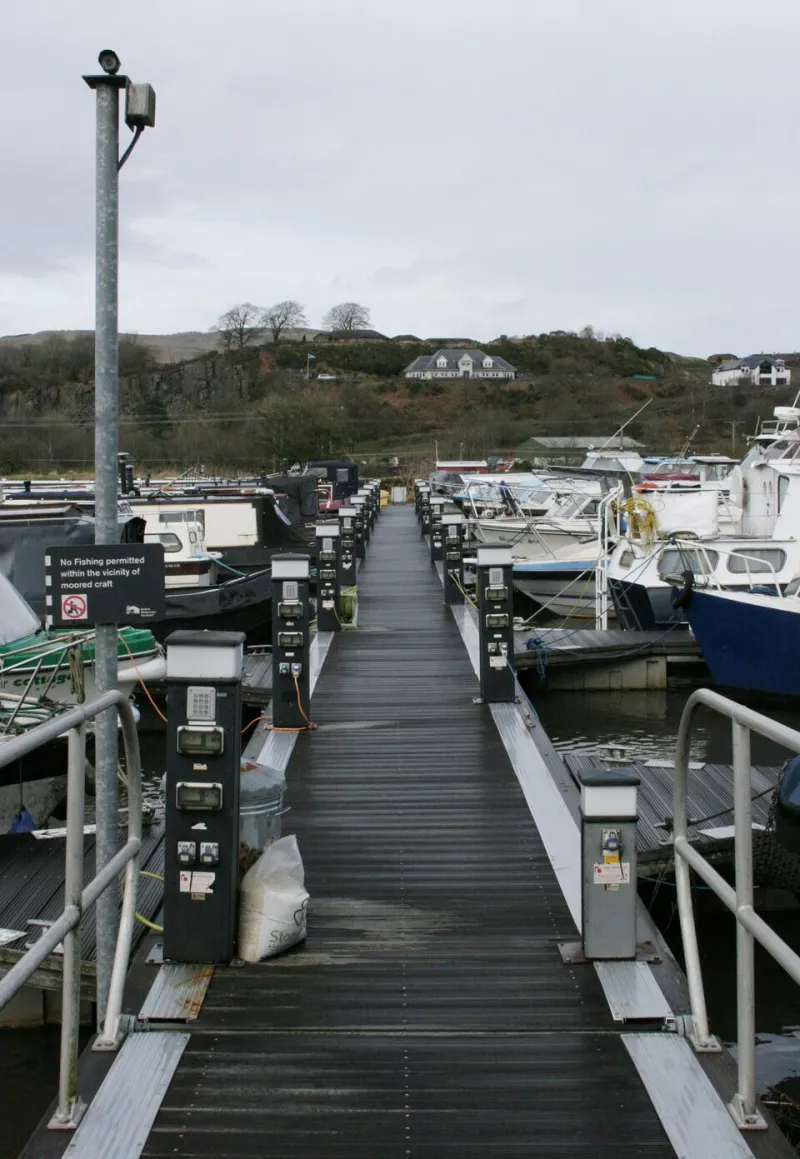
Photo: Richard Sutcliffe , CC BY-SA 2.0, via Wikimedia Commons
Shore power is one of those costs that hides in plain sight. You see the berth fee, you see the mooring contract, and somewhere near the bottom is a line about electricity that you skim before signing. Then January arrives, the dehumidifier has been running since October, and the marina emails a bill that makes you wonder whether you should have bought a smaller boat. Or a generator. Or a bothy.
At Boat Agent we spend a lot of time on the bits of boat ownership that do not appear in the brochure. Shore power is a good example. It is not glamorous, it is not a sea trial, and nobody posts a photo of their electricity meter on Instagram. But it can change the real annual cost of a berth by several hundred pounds, and it is worth understanding before you sign anything.
The headline price is only half the story
UK marinas handle electricity in wildly different ways. Some fold it into the berth fee and call it inclusive. Some meter it at the pedestal, either with a card, an app or a man with a clipboard. A few add a standing charge or a minimum annual spend. None of this is standardised, and the person showing you around may not know the details. The contract will, though, so read the small print before you fall for the view.
The question is not simply "how much is electricity?" It is "what will I actually use, and how will I be charged for it?" Those are different things. A berth at £3,000 with unmetered power can be cheaper than a £2,600 berth with a meter, or the other way round. It depends entirely on the boat, the season and your habits.
What a 16A socket actually gives you
Most UK pontoon pedestals offer a blue 16A commando socket, which gives you roughly 3.7kW of power at 230V. Some larger berths have 32A, which doubles that, but 16A is the norm for a typical cruising yacht or motorboat. That sounds like plenty until you add up the loads.
A 500W dehumidifier running eight hours a day uses 4kWh. Over a 180-day winter that is 720kWh. A 1.5kW oil-filled radiator on for six hours a day uses 9kWh, and over 120 days that is 1,080kWh. Add a battery charger maintaining a bank of lead-acid batteries, a fridge left on, lights, a water pump and the occasional immersion heater, and a boat that mostly sits still can easily cross 2,000kWh a year. A weekend sailor who visits twice a month might use 200kWh. Same pontoon, very different bill.
The appliances that quietly run the meter
Heating is the big one. Many UK boat owners rely on a small electric heater or a tube heater to keep the cabin dry through the winter, and that is exactly when the meter turns fastest. Dehumidifiers are the second culprit, because they run for hours and people forget they are on. Battery chargers are smaller but constant, especially if you leave the boat plugged in all season. An immersion heater is a blunt instrument: 1kW for an hour is 1kWh, and a hot water tank can easily take two or three hours to heat from cold.
Then there is the boat's own wiring. Older chargers are less efficient than modern ones, and a long shore power cable with a tired plug can waste a little energy as heat. It is not usually a huge amount, but it is another reason to treat the meter reading as the truth rather than the brochure.
Three questions for the marina office
Before you commit to a berth, ask for the electricity terms in writing. Specifically: what is the tariff per kWh, is there a standing charge, and how is the meter read and billed? Then ask what connection type the pedestal provides and what the maximum current is. A 16A supply is fine for most boats, but if you plan to run heating and a dehumidifier at the same time, you may trip the breaker. Ask whether there are any restrictions on heaters or dehumidifiers, and whether the marina has a preference for galvanic isolation or RCD protection.
If the berth has been occupied, ask whether the previous owner's annual kWh figure is available. That is the single most useful number you can get, because it tells you what the boat actually used rather than what the tariff says it should.
Doing the arithmetic for your own boat
You do not need a spreadsheet, just a rough sum. List the appliances you expect to run, estimate the hours per week, and multiply by the wattage. A 500W dehumidifier for 56 hours a week is 28kWh. A 1.5kW heater for 30 hours a week is 45kWh. A battery charger averaging 30W continuously is about 5kWh a week. Add them up, multiply by the number of weeks you will be plugged in, and then multiply by the tariff.
At 35p per kWh, 1,500kWh costs £525 a year. At 25p it costs £375. That difference alone can wipe out the saving on a cheaper berth. And if the berth is inclusive, the number you are comparing is not zero: you are paying for it somewhere in the fee.
When the cheap berth is the expensive one
The cheapest headline pontoon can become the most expensive once the meter starts turning. A berth that looks £400 cheaper on paper may cost more if it is metered at a high rate and you run a heater all winter. Equally, an inclusive berth can be poor value if you barely use shore power at all.
The sensible approach is to price the electricity before you sign, not after the first winter bill. Ask the questions, estimate your load, and budget a worst-case season. Shore power is not a glamorous part of boat ownership, but it is one of the few costs you can genuinely predict. Treat the meter as part of the contract, and the contract becomes a lot less surprising.