The Off-Season Advantage: Why a November Listing Beats an April Queue
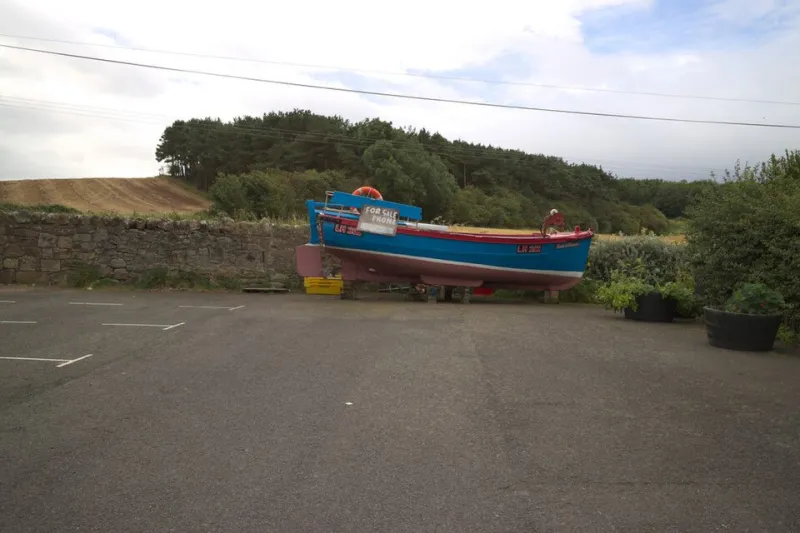
Photo: Mark Anderson , CC BY-SA 2.0, via Wikimedia Commons
There's a rhythm to the UK boat market that hasn't changed much in decades: haul out in October, think about selling over Christmas, list in March, panic in June. It's understandable. It's also the reason so many good boats spend an entire summer sitting unsold with a price that's been reduced twice.
Listing in November runs against the instinct. Here's the case for doing it anyway.
The spring queue is not a myth
Walk any brokerage yard in April and count the boats wearing For Sale boards. Supply spikes hard between March and May, every one of them photographed in the same sunshine, every one of them described as 'ready for the season'. Buyers scroll past forty listings in an evening and remember about four.
List in November and yours is one of a handful. The same buyer, browsing on a wet Sunday in December because the season is over and they're already planning the next one, sees a short list — and you're on it. Scarcity is the cheapest marketing tool available and most sellers refuse to use it.
Who is actually shopping in winter
Not tyre-kickers, mostly. The people looking at boats in the cold are the ones who have already sold, already got a berth, or already decided this is the winter they stop talking about it. They tend to arrive with funds in place and a schedule in mind. A buyer who wants to be afloat by Easter is a buyer with a deadline, and deadlines close deals.
You also get the boat-show overflow. Autumn shows and the January indoor events push a wave of enquiries through the winter — people who've been on a stand, fallen for a style of boat and gone home to see what's actually available secondhand.
Price it once, properly
November pricing should be based on what has genuinely sold this year, not what people were asking in July. That's a broker's job, and it's worth pressing them on comparables rather than accepting a number that flatters you.
Resist the 'price it high now, drop it in February' approach. Buyers in the off-season are often the well-researched ones, and they can see the gap between your asking price and the market. A realistic figure in November, with a modest margin left for survey negotiations, gets a sale completed before the daffodils rather than a price war in May.
Photography when the light is against you
Grey skies are not the enemy. Genuinely. Overcast light is one big softbox and it kills the harsh shadows that make white gelcoat look blown out on a sunny afternoon. Shoot at midday, avoid low winter sun flaring across the bow, and pick a dry day so the decks aren't beaded and the windows aren't misted.
Practical stuff that makes a difference:
- Photograph before you wrap her up. Once the cover's on, you've lost the year.
- Light the interior properly. Open every hatch, use the cabin lights, add a torch bounced off the ceiling. Phone cameras exaggerate gloom.
- Clear the clutter. Cushions squared, fenders stowed, that box of spares off the saloon table.
- Shoot the detail shots. Engine bay, chartplotter, sail locker, foredeck — buyers in winter are buying the idea of next summer and they want to see the bits.
- Mind the frost. Icy pontoons and frosted decks read as neglect in a thumbnail, even when they don't mean it.
Get the file ready before the first viewing
A winter sale still goes through a survey, and surveyors still ask for the same things: proof of ownership, VAT evidence, conformity paperwork, service records, mooring transferability. Assemble it now, while the yard is quiet and your broker has time to chase anything missing. There's a decent chance a loose document takes three weeks to replace — better to find out in December than the week before completion.
Same goes for the boat. A known weeping seal or a tired seacock is far cheaper to deal with in January, when the yard is half-empty and the labour rate isn't competing with a hundred launchings. Fix it now and it never becomes a survey finding and a negotiation.
An opportunity, not a distress sale
This is where the wording matters. A November listing should read as a boat that's ready, not a boat that's fleeing. Lead with the positives: ashore and available to view, storage paid through to spring, engine serviced, antifouled last season, sitting on a transferable berth. If there's a reason for selling, give it plainly — bought something bigger, moving abroad, retiring from sailing — because buyers invent far worse stories when you leave a gap.
What you want to avoid is a listing that shouts urgency. 'Must sell', 'quick sale', 'genuine reason for sale' and the rest don't speed things up; they just tell the buyer to open low. The off-season is quiet, not desperate, and the sellers who hold that line get better numbers.
What a winter sale actually looks like
List in mid-November. Viewings on dry weekends through December. An offer before the new year, subject to survey. Survey in January, findings negotiated, small jobs done by a yard with space in the diary. Completion in February. Antifoul in March, launch in April, and a full season ahead of you with none of it spent watching your boat sit on the hard with a For Sale board on the pulpit.
Spring will always be the popular choice. It has never been the smart one.