Before the Glow Plugs: How a Cold Start Sorts a Keeper From a Project
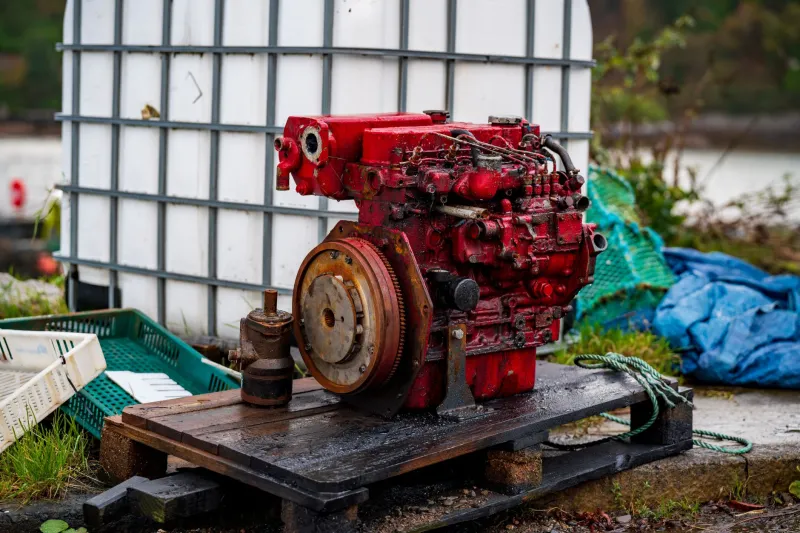
There is a particular sound a marine diesel makes when it has been sitting in a cold engine bay for a fortnight. It is not a glamorous sound. It is a slow, slightly resentful crank, a pause that lasts a beat too long, then a catch that either arrives with confidence or limps into life in a cloud of grey. If you are buying a boat in the UK between November and March, that sound is worth more than a folder of receipts and a seller's cheerful assurance that 'she always starts on the button'.
So make the request early, make it politely, and make it stick: you would like to see the engine start from cold. Not after a ten-minute warm-up. Not after a jump pack has been clipped on. From cold, with you standing there, before the seller has had a chance to do the engine any favours.
The ask, and why it isn't rude
Some sellers hear 'cold start' and assume you are accusing them of something. You are not. You are asking for a fair look at a cold engine, which is exactly the condition your own engine will be in on a frosty Saturday in February when you want to go for a sail and the tide is already turning.
Put it in writing, ideally when you book the viewing. Something like: 'Before I come, could you leave the engine unstarted? I'd like to see it start from cold, and I'm happy to work around your schedule.' Give them notice. Ask them not to run it that morning, and ask whether the battery has been on charge. If the boat is on shore power with a smart charger permanently connected, you are not really seeing a cold start — you are seeing a charged battery start. That is still useful, but note it.
Ask three other questions while you are at it. When was the engine last run, and for how long? How old is the battery? And has anything ever been sprayed into the air intake to help it along? Easy-start habits are not automatically fatal, but they are a data point, and a seller who mentions them freely is worth more of your time than one who does not.
What a cold start can tell you
Stand back and let the seller do the starting. You are there to watch and listen, not to fiddle with someone else's boat. Listen to the speed of the crank. A healthy battery and starter should turn a small diesel briskly and evenly. A lazy, uneven crank that speeds up when a charger is switched on is telling you about the battery, the connections or the starter — not necessarily the engine.
Then listen for the catch. Many older diesels need a few seconds of glow plug and will rattle into life with a puff of white-grey smoke that clears almost immediately. That can be normal. Common rail engines tend to catch faster. Petrol outboards have their own rituals — choke, prime, a bit of throttle — and a two-stroke that has been sitting may smoke like a bonfire before settling. What you are looking for is whether the engine settles into a steady idle, whether it sounds even, and whether it responds cleanly when the seller blips the throttle gently once warm enough.
Smoke is where buyers get themselves into trouble. A brief white haze on a cold diesel is often unburnt fuel and condensation. Persistent white smoke after the engine is warm can point to injectors or compression. Blue smoke suggests oil. Black smoke suggests over-fuelling or restricted air. But a phone video and a sharp eye are not a compression test. Note what you see, ask the seller what they normally see, and hand it to the surveyor. Do not diagnose a wrecked engine from a cold start in a car park, and do not ignore a plume either.
The warm-up is not the diagnosis
Once it is running, use the time properly. Check the oil on the dipstick before the engine starts if you can — level, colour, and whether it smells of diesel. Look at the coolant. Look at the belts and hoses. Open the raw water strainer. Check the seacocks move. Watch the exhaust for cooling water, not just smoke. Look at the gauges. After the engine is stopped, look underneath for drips and sniff for diesel.
A seller who has warmed the engine before you arrive has not necessarily hidden anything. But they have removed the most honest ten seconds of the viewing.
While it is cold, walk the rest of the boat
A winter viewing is a damp inspection as much as a mechanical one. Run the back of your hand along the underside of mattresses, the corners of lockers, the ceiling panels around hatches and the back of the saloon seating. Cold surfaces and warm cabin air make condensation easy to spot. Smell the lockers. Look at the canvas — spray hood, cockpit tent, tonneau cover, sail covers. Check the stitching, the zips, the clear panels and the frame. A cover that is hiding soft spots or a soggy foam pad is doing you no favours.
Open every locker. Look at the chain locker drain, the gas locker drain and the stern lockers. Standing water, rust stains and tidemarks are telling you about drainage and seals. Then look at the electrical evidence: battery terminals, fuses, the consumer unit, the shore power lead, the charger, and any wiring that looks like it was installed in a hurry. Tinned wire and proper chafe protection are good signs. A nest of domestic flex and insulating tape is not.
Reading the resistance
If a seller refuses a cold start, do not storm off. Ask again, offer to reschedule, or ask for a short video taken first thing in the morning before anything is switched on. Some sellers genuinely forget. Some have a flat battery and are embarrassed. Some know the engine is tired and would rather you saw it warm.
All of those are useful answers. A seller who resists every reasonable version of the request has given you information before the survey begins. That does not automatically mean walk away, but it should change how you structure your offer. Make the cold start a condition of the sea trial. Ask the surveyor to witness it. Keep your deposit subject to survey, as you would anyway on a private UK sale.
A cold start is not a guarantee. It is a conversation starter with the engine, and one of the few moments in a boat purchase when the hardware speaks before the seller does. Stand there, listen, and take notes.